2025 Consumer Product Salary Guide for Sales & Marketing
Is your salary benchmarked against pre-existing internal salaries, general market averages, or geared towards attracting top talent?
In a talent-short, candidate-led market, the right salary range can be the difference between securing exceptional hires and missing out.
Our Consumer Product Salary Guide (which you can find below) covers sales and marketing roles across food, drinks, and consumer goods.
Drawing on our 60,000-strong database of UK-based consumer product professionals, it details the minimum, average, and maximum salaries for these in-demand positions – helping you stay competitive and attract the very best talent.
What We’ll Cover:
- Key Market Insights.
- Why Salary Benchmarking Matters.
- Our Consumer Product Salary Guide.
- How to Use the Guide.
- Download the 2025 Consumer Product Salary Guide.
- FAQs & Related Resources.
Key Market Insights
Before we dive deeper into our salary findings, it’s important to understand the current consumer product recruitment landscape – and how compensation fits into the bigger picture.
Pay Transparency
Candidates are increasingly put off by roles advertised without salary information. This is particularly true of younger candidates:
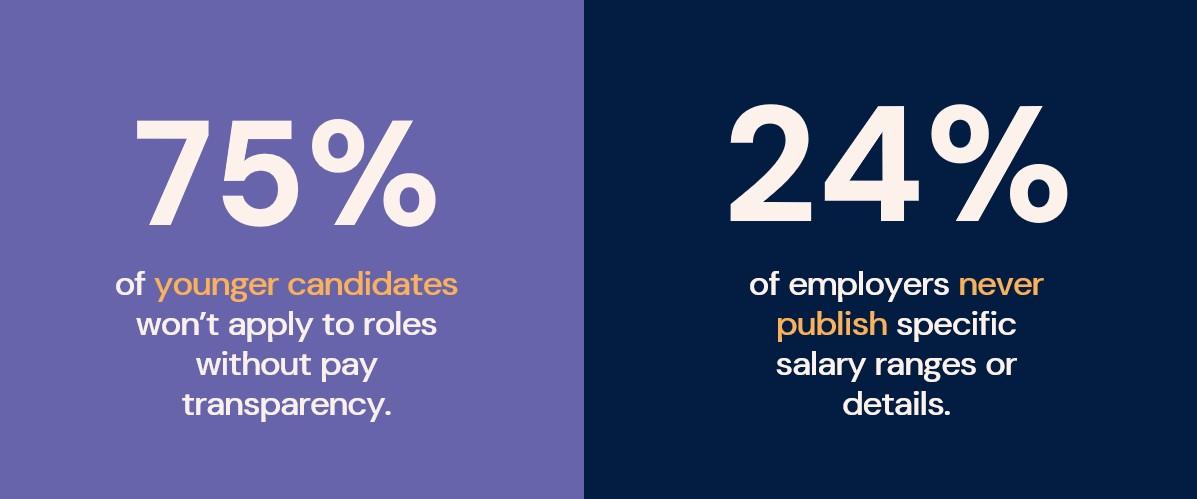
As a result, pay transparency has become a non-negotiable for many job seekers — especially younger ones. In fact, 75% of younger candidates say they won’t apply for roles that don’t disclose salary details.
Despite this clear preference, there’s still a disconnect in employer practices. 24% of UK employers admit they never publish specific salary ranges or details in their job ads. This lack of transparency could be costing businesses top talent, particularly among younger demographics who are more likely to prioritise fairness, openness, and clarity when evaluating opportunities.
Candidate Motivations
While salary is always a priority, there are other factors that employers must consider if they want to keep competitive:

57% of professionals say higher pay is their primary motivation for seeking a new role, compensation isn't the only factor influencing career moves.
In fact, 66% of professionals consider benefits to be just as important — or even more important — than base salary. This highlights a shift in expectations, with candidates increasingly valuing comprehensive rewards packages that support their wellbeing, lifestyle, and long-term goals.
Consumer Product Salary Increases
According to our database, salaries in the consumer product sector have been on the rise across the board:
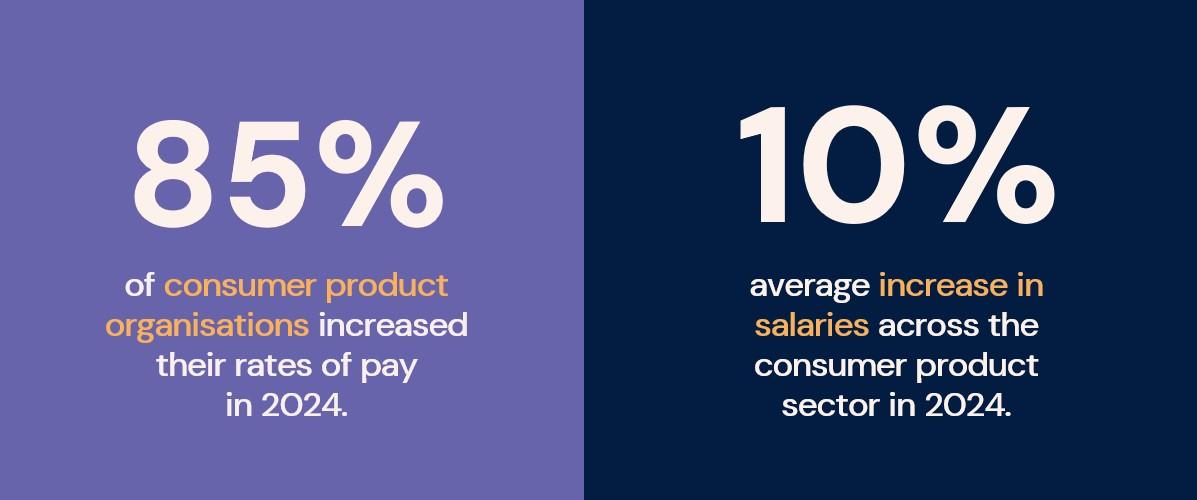
In 2024, the consumer product sector saw a notable shift in pay trends. 85% of consumer product organisations increased their rates of pay, reflecting the growing need to attract and retain top talent in a competitive market. This widespread rise highlights a sector-wide response to market pressures, candidate expectations, and the rising cost of living.
On average, salaries in the consumer product industry increased by 10% over the year. This significant uplift not only indicates strong employer investment in their workforce but also signals potential challenges for companies that fail to keep pace with salary trends.
Why Salary Benchmarking Matters
Accurate salary benchmarking can keep your business competitive and ensure your roles stand out to niche and in-demand talent.
However, salary alone isn’t the whole picture. True success in a candidate-led market demands a holistic approach to attraction. This can include combining competitive pay with career development opportunities, benefits, and a strong employee value proposition.
To ensure your offering stands out in a crowded market, a strong employer brand is essential. With a strong, compelling employer brand, you can make yourself louder and more attractive than your competitors.
Our Consumer Product Salary Guide
Developed with insights from our 60,000-strong database of consumer product professionals, our Consumer Product Salary Guide provides the most up-to-date salary data for sales and marketing roles in the food, drinks, and consumer goods sectors.
As well as highlighting the minimum, average, and maximum pay ranges for in-demand positions, the guide also highlights the evolving trends that have shaped them.
Using this guide will give you a clear benchmark to help you set competitive salaries. It can also be used to plan recruitment budgets and as a tool to support retention strategies.
How to Use the Guide
Our Consumer Product Salary Guide is designed for quick reference, detailing the minimum, average, and maximum salaries for core sales and marketing roles across various seniorities and specialisms.
You’ll find everything from leadership positions – including Commercial Director, Marketing Director, and Growth Marketing Director – down to entry-level roles – such as Business Development Executive and Marketing Executives.
Here’s how to get the most out of it:
- Identify Your Role Requirements: Pinpoint the roles you’re hiring for, compare them against the categories listed, and align your budgets with the listed salary ranges.
- Assess Competitiveness: Use the data to ensure your pay scales meet or exceed industry benchmarks, helping you remain attractive to in-demand talent.
- Integrate with Wider Strategy: Consider how these salary insights fit into your broader employee value proposition (EVP), including benefits, career progression, and employer branding.
Follow these steps to create a compelling offering that will position you as an employer of choice to top consumer product talent.
Download the 2025 Consumer Product Salary Guide
Staying competitive in a talent-short market starts with clear, data-driven insights.
Download our free guide today to benchmark your roles effectively and ensure your compensation strategy aligns with current trends:

For further support and tailored advice on crafting a winner talent attraction strategy, get in touch today. Together, we’ll help you stand out to the most sought-after professionals in the consumer product sector.
FAQs & Related Resources
What else do you need to know about salary benchmarking in the consumer product sector?
Frequently Asked Questions
- How Important Is Salary Transparency in Consumer Product Recruitment?
Salary transparency is essential in consumer product recruitment, because it directly impacts candidate engagement and trust. Research shows companies with transparent salary practices attract more applicants and reduce time-to-hire by significantly streamlining negotiations and decision-making processes.
- What Factors Besides Salary Motivate Consumer Product Professionals to Change Jobs?
Key motivators include flexible working arrangements, career progression opportunities, company culture, sustainability initiatives, and work-life balance. Professional development programmes, mentorship opportunities, and the organisation's values and commitment to innovation also significantly influence career decisions in the consumer products sector.
- How Often Should Companies Benchmark Their Salaries in the Consumer Product Sector?
Companies should conduct comprehensive salary benchmarking at least annually to remain competitive in the fast-moving consumer products sector. More regular reviews help organisations adapt to market changes, retain top talent, and maintain competitive advantage in recruitment.
- How Can Employers Use Salary Benchmarking to Attract Top Talent?
Effective salary benchmarking helps employers establish competitive compensation packages aligned with industry standards. By analysing market rates, skill premiums, and regional variations, companies can create attractive offers that position them as employers of choice in the consumer products sector.
- How Does Employer Branding Impact Salary Competitiveness?
Strong employer branding can influence salary negotiations by spotlighting value for employees beyond compensation. Companies with compelling employer brands often experience less salary pressure, as candidates prioritise cultural fit, reputation, and growth opportunities alongside financial packages.